

Carbon Face Paddle Review for Better Control

A carbon face can change the way a paddle feels on the very first dink. The ball may grab the surface longer, roll off with more intention, and give you a clearer sense of where your shot is headed. But a carbon face paddle review should go beyond the hype. Carbon is not a magic shortcut to better pickleball. It is a performance tool, and the right result depends on the face texture, core, shape, weight, and the way you play.
For players ready to create heavier spin, settle fast hands at the kitchen, and attack with more confidence, a quality carbon-faced paddle can be a serious upgrade. Here is what it does well, where the trade-offs show up, and how to decide whether it belongs in your bag.
What a Carbon Face Really Changes
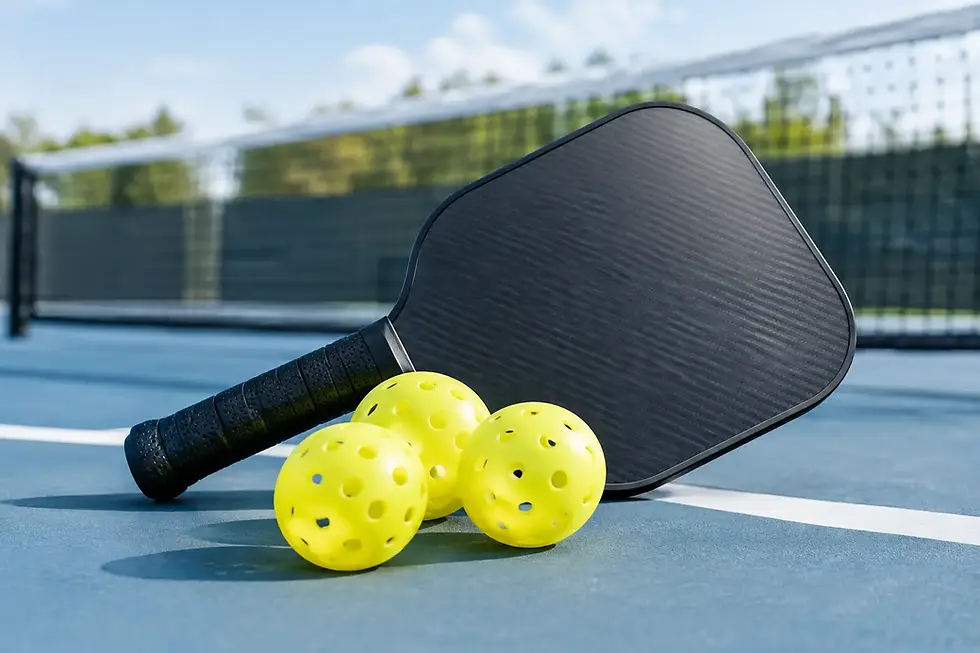
The paddle face is the contact point between your stroke and the ball. Carbon fiber faces are valued because they can provide a controlled, responsive feel while offering surface friction for spin. On a well-designed paddle, that means you can brush the ball on serves, resets, drops, and topspin drives without feeling like the ball launches unpredictably.
The biggest benefit is often consistency. A carbon face can help shots feel more connected, especially when you are trying to take pace off a hard drive or keep a third-shot drop from floating too high. Instead of simply blocking the ball and hoping for the best, you can shape it.
That said, not every carbon-faced paddle plays the same. Some feel plush and controlled. Others feel crisp, lively, and built for speed. The face material matters, but it works as part of a complete system.
Carbon Face Paddle Review: Spin, Touch, and Power
Spin that earns you better balls
Spin is the headline feature for many players, and for good reason. A textured carbon surface can help the ball bite during contact. That extra grip gives topspin drives a more aggressive dip, lets serves kick higher, and makes sliced returns more difficult to attack.
The advantage is not just hitting flashy shots. Better spin gives you margin. A topspin roll volley can clear the net with confidence and still drop at an opponent's feet. A dipping passing shot can force a volley upward. A sharp cut serve can pull a returner out of position before the rally has even started.
Still, surface texture will not replace mechanics. If your paddle path is flat and your contact is late, carbon will not manufacture spin out of thin air. It rewards a clean brushing motion. Players willing to develop that skill usually get more from the upgrade.
Touch for the non-banger moments
Power gets attention, but soft-game control decides plenty of points. Carbon-faced paddles are often a strong fit for players who want more confidence on dinks, drops, resets, and blocks. The face can provide a more predictable response when the ball meets the paddle with less force.
This matters most in fast exchanges. When an opponent drills a ball at your torso, you need a paddle that helps you absorb pace and redirect the ball low. A controlled carbon paddle can make that defensive block feel less like survival and more like a deliberate reset.
Touch is heavily influenced by the core. A thicker core often gives a softer, more stable feel, while a thinner core can feel quicker and more direct. Neither is automatically better. Players who build points through patience may prefer the added forgiveness of a thicker paddle. Players who love hand battles and quick counters may like a thinner, more reactive build.
Power with a ceiling
Carbon faces are sometimes sold as pure power paddles. That is only partly true. Carbon can create a crisp, efficient response, but the biggest power factors are usually paddle construction, swing weight, core design, and how freely the paddle moves through the air.
Thermoformed or foam-enhanced paddles, for example, may deliver a firmer, more explosive feel. That can be a weapon on serves, overheads, and drives. The trade-off is that a very lively paddle may demand cleaner touch at the kitchen. If you regularly sail dinks long or pop up resets, maximum pop may not be your best first priority.
A balanced carbon paddle gives you enough put-away power without turning every soft shot into a test of nerve. For most improving players, that balance wins more rallies than raw force alone.
The Trade-Offs You Should Know
Carbon-faced paddles are premium equipment, and premium does not mean perfect for every player. Before you buy, consider how the paddle's design will affect your real on-court habits.
A highly textured face can generate excellent spin, but texture may wear down over time. A paddle with an aggressive, stiff construction may feel fantastic on attacks but less forgiving when you are tired, late, or defending a fast exchange. Heavier models can add stability against hard hitters, yet they can also slow hand speed and place more demand on your wrist and elbow.
Shape matters, too. An elongated paddle can offer extra reach and help create leverage on drives, but its sweet spot may feel less generous than a standard-shaped model. A wider, more traditional shape often provides easier handling and more reliable contact near the center of the face.
There is also no universal answer to whether you need raw carbon fiber, woven carbon fiber, or another carbon composite construction. The label alone does not tell you how the paddle will perform. Focus on the total build and the shots you want to improve.
Who Should Play With a Carbon-Faced Paddle?
Carbon faces work especially well for players who want to add purposeful spin, improve soft-game precision, and feel more stable during fast kitchen exchanges. Intermediate players often notice the clearest difference because they have enough technique to use the surface, yet still benefit from extra control and forgiveness.
Beginners can use carbon-faced paddles, too. In fact, a balanced, forgiving model can help a newer player develop better touch instead of relying on a springy paddle that sends balls long. The key is avoiding the assumption that the most aggressive paddle will speed up improvement. A paddle that lets you keep more balls in play is the paddle that gives you more chances to learn.
Competitive players should look deeper into weight, swing weight, shape, and core thickness. If your game is built around heavy topspin drives and attacking counters, a firmer, faster carbon build may fit. If you win through drops, resets, and disciplined transition-zone play, prioritize a stable paddle with a generous sweet spot and controlled response.
How to Choose the Right Carbon Paddle
Start with the problem you want your paddle to solve. If your drives lack shape and your serves sit up, look for a carbon face with reliable texture and a design that supports spin. If you lose control during firefights, choose stability and a manageable swing weight over maximum power. If your dinks feel inconsistent, a thicker, more forgiving core may be the better move.
Do not overlook comfort. The best paddle on paper is a poor choice if it feels too head-heavy, strains your arm, or makes your grip tense. A comfortable handle and the right weight help you play longer, react faster, and trust your stroke under pressure.
At Pickleball "R" Us, the performance standard is simple: gear should help you do something better on court. A carbon face is worth the investment when it gives you a measurable gain in spin, placement, confidence, or control - not just a new spec to talk about between games.
The smartest next step is to match the paddle to your current game, then give yourself time to learn its response. Put it through dinks, drops, counters, serves, and overheads. When the paddle makes your good decisions feel more repeatable, you have found equipment that is ready to help you own the court.

Comments