
Best Pickleball Paddle for Spin Picks

If your topspin drive keeps floating long or your cut dink sits up instead of skidding, your paddle may be the problem. The best pickleball paddle for spin helps you grab the ball longer, shape shots with confidence, and turn ordinary contact into pressure your opponent feels on the very next bounce.
Spin is not a magic trick. It is a mix of paddle surface, paddle shape, swing speed, technique, and timing. That matters because a lot of players buy a paddle expecting instant RPMs, then realize the feel is too stiff, the sweet spot is too small, or the weight slows their hands down at the kitchen. The right paddle for spin gives you more bite on the ball without costing you the rest of your game.
What actually makes the best pickleball paddle for spin?
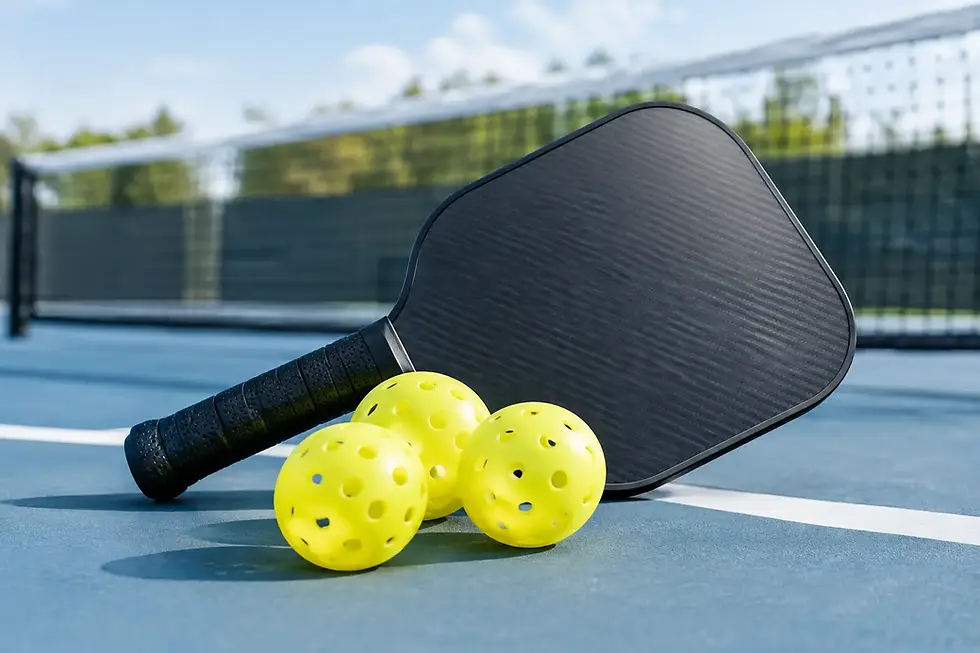
Start with the face. Spin-friendly paddles usually have a textured carbon fiber surface or a peel-ply style finish that increases friction at contact. That extra grab helps with topspin drives, dipping third-shot drops, and slice returns that stay low. Smoother fiberglass faces can still feel lively, but they usually do not generate the same level of consistent spin control.
Shape matters too. Elongated paddles often create more whip because they add reach and can increase paddle-head speed. That can help advanced players produce heavier spin. The trade-off is a narrower face and, in some models, a less forgiving sweet spot. If you miss center contact often, a wider-body shape may actually give you more usable spin because you strike the ball cleaner.
Core design plays a bigger role than many players expect. A thicker core usually adds dwell time and control, which can make spin easier to apply on softer shots and resets. A thinner core tends to feel quicker and poppier, which can help when you are driving through the ball, but it may be harder to control on touch shots. If your game is built on heavy topspin from the baseline, you may like a more powerful response. If you win with dinks, drops, and angles, control usually matters more.
Then there is weight. A slightly heavier paddle can drive through the ball with authority, but too much weight can slow your hands and wear down your arm. A lighter paddle can speed up hand battles and improve wrist action, but it may feel less stable on hard contact. The best setup is the one that lets you swing fast, stay accurate, and hold up deep into the match.
The best pickleball paddle for spin depends on how you play
A lot of buying guides act like there is one clear winner for everyone. There is not. The best pickleball paddle for spin for a beginner is usually different from the best option for a tournament player who already creates plenty of racket-head speed.
If you are newer to pickleball, prioritize forgiveness first and spin second. You want a paddle that gives you textured control without punishing slight mishits. A medium-weight paddle with a carbon fiber face and a generous sweet spot is usually the smart move. You will still get enough bite to learn topspin serves and rolling dinks, but you will not sacrifice consistency.
If you are an intermediate player, this is where spin can really become a weapon. You likely have enough feel to benefit from a grippy face and enough technique to use it. Look for a paddle that blends texture with stable all-court performance. This is often the sweet spot for players who want sharper passing shots, more dangerous thirds, and slice resets that stay uncomfortable.
If you are an advanced player, shape and swing profile matter more. You may prefer an elongated paddle for reach and acceleration through contact, even if that means less margin on off-center hits. At that level, spin is not only about generating RPMs. It is about applying the exact shape of shot you want under pressure.
Surface grit gets the attention, but feel wins matches
Players love talking about grit because it is easy to notice. Rub your hand across a paddle face and you can feel whether it is textured. But feel is what decides whether that grit helps you or frustrates you.
A paddle can have strong spin potential on paper and still be the wrong fit if it launches too hot, feels too harsh, or lacks touch in transition. The best spin paddle should help you attack and defend. You need enough dwell time to roll the ball with confidence, enough stability to block pace, and enough feedback to know where contact happened.
That is why pure spin numbers only tell part of the story. A paddle that produces slightly less raw spin but gives you cleaner control often performs better in actual games. You do not earn points with specs. You earn them by keeping your roll volleys down, your topspin drops dipping, and your counters under control when the rally speeds up.
Features worth looking for before you buy
If you are shopping seriously, focus on a few performance markers.
Textured carbon fiber faces are the standard starting point for spin-focused players. They tend to deliver strong bite and a more controlled response than many power-first materials. Thicker cores, often in the control range, help with dwell time and soften the feel without making the paddle dead. Foam-injected edges or reinforced perimeter weighting can improve stability, which matters when you are trying to maintain spin and accuracy on fast exchanges.
Grip size is easy to overlook, but it affects spin more than people think. If the grip is too large, wrist action can feel restricted. If it is too small, the paddle may twist more on contact. A secure, natural grip helps you accelerate through the ball and shape shots without overcompensating.
Handle length also changes the equation. Players with a two-handed backhand often need extra handle space, while one-handed players may prefer a more compact, maneuverable build. There is no universal best choice here. It depends on your mechanics.
Who should avoid a pure spin-first paddle?
Not every player needs the grittiest face or the longest shape. If you rely on quick hands at the kitchen and compact counters, an overly head-heavy or elongated paddle can feel late. If you have elbow sensitivity, an extra-stiff paddle may not be worth the trade even if the spin is excellent. Comfort and confidence still matter.
Some players also chase spin when the real issue is footwork or contact point. A better paddle can help, but it will not fix a rushed swing or an open paddle face. Gear should support your strengths, not distract from what needs work.
A smart way to narrow your options
Think about the shot you want to improve most. If it is your third-shot drive, you may want a paddle with more pop and an elongated profile. If it is your dipping reset or roll dink, a thicker, more controlled paddle may serve you better. If your game is balanced, look for an all-court model with reliable texture and a stable sweet spot.
This is also where performance-first brands stand out. Pickleball players do better when they shop curated gear built for actual court results, not just flashy marketing. That is why a retailer like Pickleball "R" Us resonates with players who want more than casual rec equipment. The goal is simple: better control, sharper spin, and more confidence when the point gets tight.
The real test of the best pickleball paddle for spin
The best paddle does not just make the ball rotate more. It changes what your opponents have to deal with. Your topspin drives dip faster. Your slices stay lower. Your serves push players off balance. Your roll volleys become harder to counter because the ball kicks after contact.
Just as important, you should feel more aggressive without getting reckless. That is the real value of spin. It gives you a bigger margin while still letting you pressure the court. You can swing with intent and trust the ball to drop.
If you are choosing between several good paddles, do not get stuck chasing hype. Prioritize the one that fits your swing, supports your control, and lets you create shape on the ball from every part of the court. The best pickleball paddle for spin is the one that turns your mechanics into a repeatable weapon, not just a highlight shot.
Play with a paddle that helps your shots bite, your touch hold up, and your confidence stay high when the rally gets fast. That is when spin stops being a feature and starts becoming an edge.

Comments