
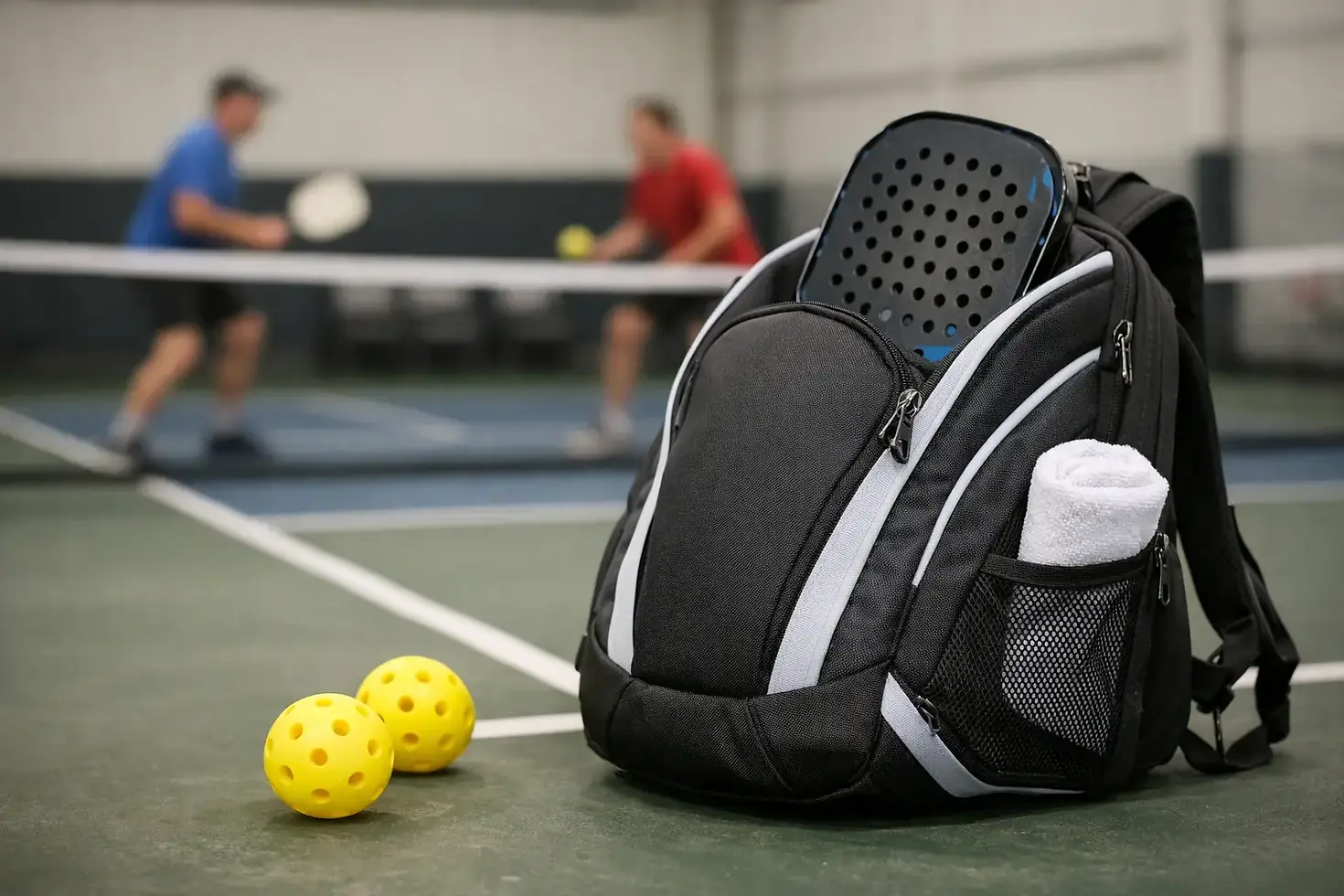
Best Pickleball Bag for Tournaments

Tournament day starts before the first serve. If you are digging through a cramped backpack for overgrips, stuffing a sweaty shirt next to your paddle face, or realizing your water bottle leaked onto your spare gear, your setup is costing you focus. The best pickleball bag for tournaments is not just a way to carry equipment. It is part of your game plan.
A tournament bag has one job: keep your gear protected, organized, and easy to grab under pressure. That matters whether you are playing your first local bracket or grinding through a long weekend with mixed, doubles, and singles on the schedule. When every round asks for more energy, better organization helps you stay locked in.
What makes the best pickleball bag for tournaments?
The answer is not just size. Bigger is not always better, and smaller is not always faster. The right tournament bag balances storage, protection, comfort, and access.
Start with paddle protection. If you carry premium paddles, you need more than an open tote with a side sleeve. Paddles should sit securely without banging into shoes, water bottles, or metal accessories. A bag with padded compartments or dedicated paddle pockets gives your gear a real buffer during travel and between matches.
Next comes layout. Tournament players carry more than a paddle and a ball tube. You may have spare shirts, grip tape, energy snacks, sunglasses, a hat, towels, braces, sunscreen, and recovery tools. That does not mean you need a giant duffel. It means you need smart pockets that separate clean gear from used gear and essentials from extras.
Comfort matters more than most players think. Tournament days involve parking lots, long walks, waiting areas, and court changes. If a bag rides awkwardly, digs into your shoulder, or swings around every time you move, it gets old fast. Adjustable padded straps, balanced weight distribution, and a shape that stays manageable when full are worth paying attention to.
The three bag styles most tournament players consider
There is no single perfect shape for every player. The best pickleball bag for tournaments depends on how much gear you carry and how you move through the day.
Backpack-style bags
For many players, this is the sweet spot. A good pickleball backpack keeps both hands free, distributes weight better than a one-shoulder bag, and usually offers enough room for multiple paddles, apparel, shoes, and accessories. It is especially useful if you move between courts often or carry your bag for longer stretches.
The trade-off is capacity. Some backpacks look sleek but run out of usable space once you add a pair of court shoes and extra layers. If you like the backpack format, check depth and compartment separation, not just the total dimensions.
Duffel-style bags
Duffels work well for players who bring a lot of gear and like a wide opening that makes everything easy to see. They are practical for weekend tournaments, especially if you pack changes of clothes, recovery items, and a larger food setup.
The downside is mobility. A heavy duffel can become a burden by the second or third match, especially if the shoulder strap is thin or poorly padded. Duffels also tend to become catch-all spaces if the interior is too open, which can slow you down when you need one item right now.
Sling and compact court bags
These work for lighter tournament setups. If you carry one or two paddles, a water bottle, grips, keys, and a few personal items, a compact bag can feel fast and efficient. It is a clean option for short local events or players who prefer minimal gear.
But there is a limit. Once you add backup clothing, snacks, tape, towels, and weather layers, compact bags can turn into a tight mess. For full-day tournament play, many players outgrow them quickly.
Features that actually matter on tournament weekends
Some bag features sound good in product descriptions but do not change much on court. Others make a real difference when the pace picks up.
A separate shoe compartment is one of the most useful features you can get. Shoes track in dust, moisture, and odor. Keeping them isolated from towels, clothing, and paddle grips helps the rest of your gear stay cleaner and more usable throughout the day.
Thermal or insulated paddle compartments can also be a smart play, especially in hot climates. Extreme heat is not great for high-performance equipment. If your bag sits near fences, in staging areas, or in a hot car between matches, a little added protection helps preserve paddle materials and consistency.
Fence hooks are simple but valuable. Tournament venues do not always offer great places to stash your bag, and setting it on damp ground is never ideal. A built-in hook keeps your setup cleaner and easier to reach.
External water bottle pockets are worth prioritizing. They free interior space and reduce the chance of spills inside the main compartment. Small accessory pockets also matter. When your phone, keys, grips, and pain reliever all land in one big section, your bag works against you.
How much space do you really need?
This is where players often overshoot. You want enough room for tournament essentials, but not so much that you start carrying half your garage.
If you usually bring two paddles, a towel, extra grips, a shirt change, snacks, and water, a performance backpack will often handle it well. If you carry backup shoes, multiple outfits, braces, tape, recovery gear, and gear for a full travel weekend, a larger backpack or duffel makes more sense.
Be honest about your routine. A bag should support your style of play, not force you into overpacking. The more extra volume you have, the easier it is to bring things you will never touch while making the whole load heavier.
Durability is not optional
Tournament players use bags harder than casual players do. They get dropped on asphalt, hung on fences, stuffed into trunks, and opened constantly. Weak zippers, thin linings, and flimsy straps will show their flaws quickly.
Look for reinforced stitching, durable exterior materials, and zippers that feel smooth but sturdy. Water-resistant fabric is another strong advantage, especially if you play early mornings, travel through mixed weather, or deal with damp courts and wet towels.
This is one of those areas where cheap can get expensive. Replacing a failed bag in the middle of tournament season is frustrating, and a broken strap on a packed day is the kind of distraction nobody needs.
The best pickleball bag for tournaments depends on your player type
If you are a beginner entering your first few tournaments, you probably do not need a massive pro-style bag. You need reliable organization, paddle protection, and enough room for the basics. A structured backpack is often the smartest move because it keeps things simple without feeling limiting.
If you are a regular league and tournament player, think more strategically. You likely need room for backup gear, better separation between compartments, and stronger comfort features. This is where premium construction starts to matter more. You are using the bag often enough to feel every shortcut in design.
If you are highly competitive or traveling for events, capacity and protection move to the front of the line. Multiple paddles, apparel changes, hydration, recovery tools, and travel efficiency all matter. A larger performance bag with dedicated sections will usually outperform smaller options.
Families and parents have a different calculation. If one bag is carrying gear for a junior player or helping cover shared essentials for a long event day, flexibility matters. Extra space is helpful, but clean organization is still the difference-maker.
What to avoid when shopping
A bag can look sharp online and still underperform in real life. Watch for designs that rely on one oversized compartment with very little structure. Those bags tend to swallow gear instead of organizing it.
Be careful with ultra-compact styles marketed as all-purpose solutions. They may work for open play, but tournament days expose every limitation. Also, do not assume a bag made for tennis automatically fits pickleball better. Some do, some do not. Paddle-specific storage and accessory layout can be a better match for how pickleball players actually pack.
And do not ignore strap quality. A bag that carries well for ten minutes may feel brutal after six hours at a venue.
Choose a bag that helps you compete, not just carry gear
The right bag supports rhythm. You know where your paddle is, where your fresh overgrip is, where your towel is, and where your post-match shirt is. That kind of order saves time, cuts distraction, and helps you stay match-ready.
For players who care about performance, every gear choice should earn its place. That includes your bag. At Pickleball R Us, the best equipment is built to improve real play, and your tournament bag should follow the same standard.
Pick the bag that fits how you compete, how much you carry, and how seriously you take your preparation. When your gear is protected and your setup is dialed in, you walk onto the court with one less thing to manage and a lot more confidence.

Comments