

Best Pickleball Clothing for Hot Weather

When the court feels like a griddle by 10 a.m., your clothes stop being a style choice and start becoming equipment. The best pickleball clothing for hot weather helps you stay lighter on your feet, manage sweat before it turns distracting, and keep your focus on shot selection instead of survival.
Hot-weather gear matters more in pickleball than many players expect. You are accelerating, stopping, rotating, reaching low, and reacting fast in short bursts. That creates heat quickly, especially in doubles where rallies can stretch and there is almost no shade. If your shirt traps moisture or your shorts cling the second you sweat, your movement gets sloppy. That is when footwork slows down, recovery steps get lazy, and unforced errors creep in.
What the best pickleball clothing for hot weather actually does
Not every lightweight athletic item is built for court performance. Some pieces feel soft in the store but turn heavy once they absorb sweat. Others look sporty yet restrict your shoulders or ride up during lateral movement. The right clothing should do three things at once: release heat, move sweat away from your skin, and let you play full speed without constant adjustment.
Breathability is the first priority. Fabrics need enough airflow to let body heat escape. Moisture management comes next. A top that wicks sweat and dries quickly keeps you from feeling soaked after one hard game. Then there is mobility. Pickleball rewards quick reactions, awkward reaches, and repeated directional changes, so stretch and cut matter as much as cooling.
Sun exposure is part of the equation too. In extreme heat, some players assume less fabric is always better. Sometimes that is true. Sometimes a light long-sleeve performance layer with UV protection is actually more comfortable than bare skin baking in direct sun. It depends on the temperature, humidity, and how your body handles heat.
Start with fabric, because fabric wins or loses the day
If you want cooler play, skip cotton for match conditions. Cotton absorbs sweat, holds it, and dries slowly. That means your shirt gets heavier as the match goes on, and any breeze that should feel refreshing can instead leave you feeling sticky and weighed down.
Performance polyester, nylon blends, and fabrics with a bit of spandex usually perform better. Polyester is popular because it is light, dries fast, and can be engineered for strong moisture-wicking. Nylon often feels smoother and a little more premium against the skin, though some blends can run warmer if the weave is too dense. A touch of spandex helps with stretch, especially in sleeves, waistbands, and shorts built for explosive movement.
Mesh panels can help, but placement matters. Venting across the upper back, underarms, or side panels usually performs better than decorative mesh that does very little. Texture matters too. Some modern fabrics sit slightly off the skin, which improves airflow and reduces that clingy, plastered-on feeling late in a match.
If you sweat heavily, prioritize fast-drying fabric over ultra-soft fabric. Soft hand feel is nice in the dressing room. On the court, dry and light beats soft and soggy every time.
The right tops for heat, sun, and movement
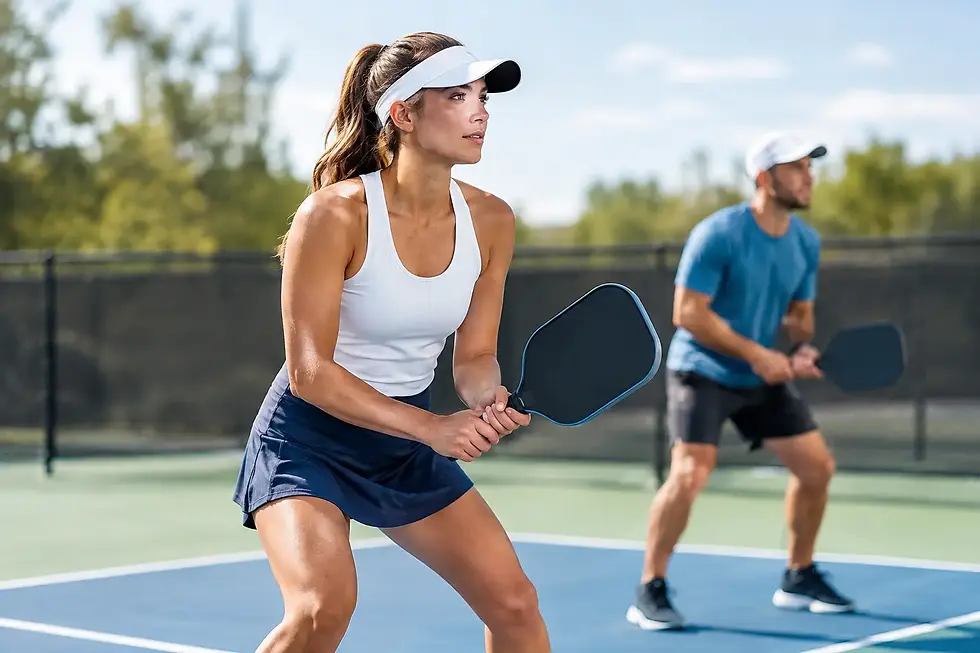
For most players, a performance tee or sleeveless top is the safest play in high heat. Look for a relaxed athletic fit rather than anything oversized. Too tight and airflow suffers. Too loose and the fabric can swing, bunch, or distract during quick points.
A good hot-weather shirt should stay light even when wet, allow a full shoulder turn, and keep seams from rubbing during repeated serves and overheads. Raglan sleeves or well-cut set-in sleeves tend to move better than boxy gym shirts. Flat seams are a bonus if you play long sessions.
Women often have a strong case for racerback tanks or streamlined sleeveless tops when temperatures spike, especially in humid conditions. Men who prefer maximum ventilation may lean toward sleeveless cuts too, but some players still feel more comfortable in lightweight short sleeves for sun coverage and reduced friction from paddle-arm movement. There is no universal winner. Your sweat rate and sun tolerance decide a lot.
Long sleeves can make sense in brutal sun if the fabric is truly thin, breathable, and built with UPF protection. The trade-off is simple: better coverage, but only if the garment is engineered well enough not to trap heat. Cheap long-sleeve activewear in the summer is usually a mistake.
Shorts, skirts, and fit that helps you move faster
Lower-body comfort gets overlooked until your gear starts fighting you. In hot conditions, heavy shorts, thick waistbands, and lined pieces that do not breathe well can become a problem fast. You want lightweight construction, easy stretch, and a cut that supports lunges, quick shuffles, and low contact points.
For men, the sweet spot is usually a lightweight performance short with enough inseam to stay secure but not so much that it catches around the knee. Built-in stretch is a major advantage when you are pushing laterally or loading for a wide return. If the waistband digs in once you start sweating, it is not match-ready.
For women, skirts, skorts, and shorts can all work in the heat. The key is whether the inner short stays comfortable and dry. A great skort gives you freedom, coverage, and airflow. A bad one traps heat and starts chafing by game two. That inner layer needs to stretch, breathe, and stay put without squeezing too hard.
Pockets matter more than people think. In rec play and practice, secure ball storage is useful. In competition, pocket bulk can get annoying. If you prefer carrying a ball, make sure the pocket placement does not interfere with movement or add bounce while running.
Small details separate decent gear from court-ready gear
The best pickleball clothing for hot weather usually gets the details right. Waistbands should stay put without feeling stiff. Drawstrings should help with fit, not create pressure points. Seams should be smooth. Liners should support movement, not trap heat.
Color also plays a role. Lighter shades can help reflect heat in direct sun, while darker colors often show less sweat. Which matters more depends on where you play and how much direct exposure you get. If you are out at noon in full sun, lighter colors may earn their spot. If you play under partial shade or care more about appearance during high-sweat sessions, darker tones may still be your choice.
Odor control treatments can be helpful for players who train often, but they should not be the main selling point. Fit, breathability, and drying speed have a much bigger effect on performance. The same goes for style-first details that add weight or reduce ventilation. If it looks sharp but plays hot, it is not a win.
What to wear when humidity is the real opponent
Dry heat and humid heat are not the same challenge. In dry climates, sweat evaporates faster, so breathable fabric and sun management usually carry the day. In humidity, evaporation slows down, which means your clothing needs to move moisture aggressively and avoid holding any extra weight.
That is where ultra-light fabrics really separate themselves. In humid conditions, even slightly thicker gear can feel overloaded. You want pieces that dry fast between rallies and never feel swampy around the chest, lower back, or waistband. A second shirt in your bag is not overkill if you are playing multiple matches. It is a smart adjustment.
Accessories matter here too, even if apparel does the heavy lifting. Sweat bands, hats with breathable panels, and moisture-managing socks can improve comfort more than players expect. If sweat is dripping into your eyes or your feet are overheating, your clothing system is incomplete.
Avoid these common hot-weather mistakes
A lot of players overdress because they are used to gym gear, not court gear. Heavy training shirts, thick cotton blends, and generic basketball shorts can all feel fine for casual movement but fall apart in pickleball's stop-start rhythm.
Another mistake is choosing compression everything in peak summer. Some compression can feel supportive, but too much in the heat can make you feel cooked. If you like compressive pieces, use them selectively and balance them with lighter outer layers.
Players also tend to ignore fit problems that get worse under sweat. Shorts that slide, tops that cling, and liners that chafe are not minor annoyances. They cost confidence. When you are adjusting your clothes between points, you are not fully locked into the match.
At Pickleball "R" Us, the best-performing apparel earns its place by helping players move cleaner, stay more comfortable, and keep their level high when the temperature climbs.
How to choose your hot-weather setup
If you play a few times a month, start with one reliable outfit built around a lightweight wicking top and stretch performance bottoms. If you play often, build a rotation for different conditions. One setup for dry heat, one for humidity, and one with added sun coverage if you are outside for long sessions.
Serious players should think in terms of performance systems, not single pieces. Your shirt, bottoms, socks, hat, and even wrist coverage work together. If one item runs hot or holds sweat, it can throw off the rest.
The right choice is the one that lets you stop thinking about what you are wearing by the first few points. When your gear disappears, your movement sharpens, your focus stays clean, and your game has room to show up. That is the edge worth dressing for.

Comments