

How to Clean a Pickleball Paddle Safely

A paddle face covered in ball residue does not just look rough. That gray, gritty buildup can change how confidently the ball comes off your paddle, especially when you are trying to shape a sharp third-shot drop or drive through a fast hand battle. The question of how to clean pickleball paddle faces matters because clean equipment gives you the best chance to play with the control and consistency you trained for.
The good news: proper paddle care takes only a few minutes. The key is using the right method for your paddle’s surface and avoiding aggressive cleaners that can do more harm than good. Clean it smart, protect the texture, and step onto the court ready to own every rally.
Why a Clean Paddle Performs Better
Pickleball paddles collect more than dust. Outdoor courts leave behind fine grit, while pickleballs can transfer plastic residue onto the face after repeated contact. Sunscreen, sweat, and oils from your hands can also work their way onto the grip and edge guard.
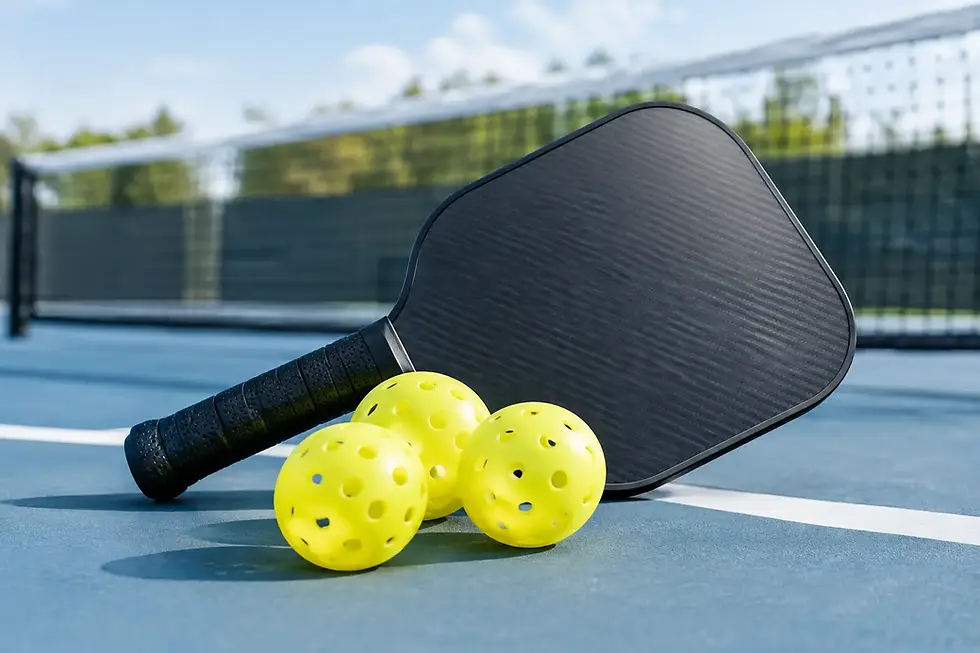
On a textured carbon fiber or raw carbon face, that residue may fill in parts of the surface texture that help you generate spin. The difference is not always dramatic in a single game, but buildup over weeks can make your paddle feel less responsive. If your serves are not dipping the way they used to or your cut dinks feel less precise, a dirty face may be part of the problem.
Cleaning also gives you a chance to inspect the paddle. A quick wipe can reveal loose edge guard material, small cracks, dead spots, or grip wear before those issues affect a competitive match.
What You Need to Clean a Pickleball Paddle
For routine cleaning, keep it simple. A soft microfiber cloth, clean water, a mild soap, and a dry towel will handle most jobs without putting the paddle at risk. For carbon fiber paddles with stubborn ball marks, a paddle-specific cleaning eraser is often the best choice.
Avoid treating your paddle like a kitchen counter or a pair of running shoes. Harsh household chemicals, abrasive scrubbers, and strong solvents can damage the finish, weaken adhesives, or wear down the face texture. That is a bad trade when paddle surface performance is one of the biggest factors in spin and touch.
If you use a commercial paddle cleaner, check that it is made for your specific face material. Carbon fiber, fiberglass, graphite, and painted composite surfaces do not all respond the same way. When in doubt, use the gentlest approach first.
How to Clean a Pickleball Paddle Face
Start by dry-cleaning the paddle face. Use a clean microfiber cloth and wipe gently from the center toward the edges. This removes loose dust and court grit without rubbing it into the surface.
For light marks, dampen one corner of the cloth with water. It should be barely damp, not dripping. Wipe the face using light, even pressure, then immediately dry it with a second clean cloth. Never run the paddle under a faucet or soak it. Water can work into seams, around the edge guard, and near the handle over time.
For tougher ball residue on a raw carbon fiber face, use a paddle cleaning block or eraser designed for carbon surfaces. Rub it gently over the affected area with short strokes. Do not bear down hard. The goal is to lift residue, not grind away the face texture that helps produce spin.
A mild soap solution can help with grime that water alone will not remove. Mix a tiny drop of mild dish soap into a cup of water, dampen the cloth, and wipe only the dirty area. Follow with a water-dampened cloth to remove soap residue, then dry the paddle completely.
Know When to Stop Scrubbing
If a mark does not come off after a few gentle passes, do not escalate to a rough sponge, nail brush, or chemical cleaner. Some cosmetic scuffs are simply part of playing hard. Trying to remove every mark can create more damage than the mark ever would.
This is especially true with textured performance faces. Their surface is engineered for ball bite. Excessive rubbing, abrasive pads, or repeated use of the wrong cleaner can gradually reduce that texture. Protect the features that help you control the point.
How to Clean the Grip and Handle
Your grip takes the most direct contact from sweat, sunscreen, and hand oils. A slippery handle costs confidence during quick exchanges at the kitchen line, so clean it regularly.
Wipe the grip with a slightly damp microfiber cloth after play, then let it air-dry fully before putting the paddle in a cover or bag. Do not saturate the grip. Moisture can seep beneath the wrap, loosen adhesive, and create an unpleasant odor.
For a small amount of stubborn dirt, use a tiny amount of mild soapy water on the cloth. Wipe gently, then go back over it with a clean damp cloth and dry it right away. Never spray cleaner directly onto the handle.
If your overgrip has become slick, frayed, or permanently stained, replacement is usually the better performance move. Overgrips are designed to wear out. A fresh one can restore tack, comfort, and control faster than trying to revive a grip that has reached the end of its run.
Clean the Edge Guard Without Loosening It
The edge guard protects the paddle from scrapes and accidental court contact, but it can collect dirt in the seam where it meets the face. Use a dry microfiber cloth first. If needed, use a soft cloth that is barely damp to wipe around the guard.
Do not dig into the seam with a sharp tool, toothbrush, or toothpick. That can lift the guard or create a path for moisture. If you notice a section separating from the paddle, stop trying to clean under it. Continued play and repeated exposure to water can make the issue worse.
Cleaning Mistakes That Can Hurt Your Paddle
The fastest way to shorten a paddle’s useful life is to use the wrong cleaning method repeatedly. Keep these common mistakes off your court-care routine:
Soaking the paddle, rinsing it under running water, or leaving it wet in a bag.
Using alcohol, bleach, acetone, glass cleaner, or other strong chemicals on the face or grip.
Scrubbing with abrasive sponges, stiff brushes, or rough towels.
Using a carbon-fiber eraser aggressively on a non-carbon or painted paddle face.
Cleaning a hot paddle immediately after it has been sitting in direct sun.
Heat deserves special attention. High temperatures can affect adhesives and core materials, while a hot paddle surface is more vulnerable to harsh treatment. Let the paddle cool in the shade before cleaning it, and do not leave it baking in a car between matches.
How Often Should You Clean Your Paddle?
For most players, a quick dry wipe after each session is enough to keep surface dirt under control. Give the face and grip a more careful cleaning once a week if you play several times per week, or whenever you notice visible residue, reduced grip tack, or a change in feel.
Tournament players and frequent outdoor players may need to clean more often. Windy, dusty courts and intense summer sessions create more buildup than a casual indoor game. It depends on where you play, how often you play, and the type of paddle face you use.
Make paddle cleaning part of your post-match routine: wipe the face, check the edge guard, dry the grip, and store the paddle in a protective cover. It takes less time than replaying a missed shot in your head, and it helps preserve the performance you paid for.
Store It Right After Cleaning
A clean paddle still needs smart storage. Keep it in a dry paddle cover or compartment, away from extreme heat and prolonged direct sunlight. Do not stack heavy gear on top of it, and avoid leaving damp towels pressed against the face or handle.
For players who expect more from every piece of gear, routine care is not busywork. It is part of protecting your touch, spin, and confidence. Treat your paddle like the performance tool it is, and it will be ready when the next rally demands your best shot.

Comments